

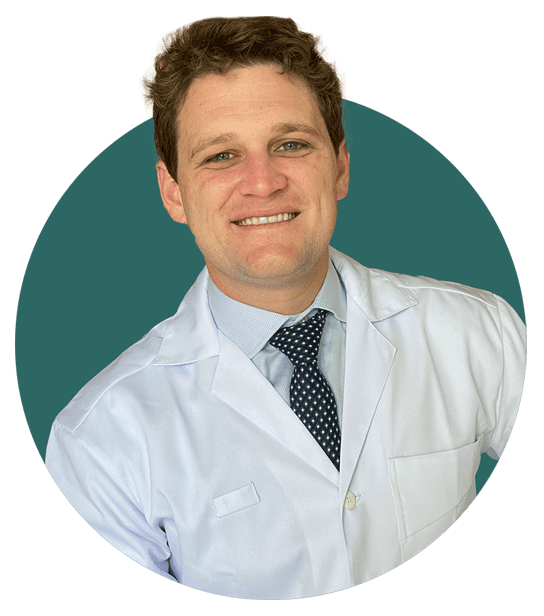
Vascular surgery — vein and artery care in Rio, Brazil.

Dr. Matheus Mannarino

(Vascular surgeon)

Brazilian medical registration: CRM 52.0108.215-9 | Rio, Brazil

Leg pain, swelling or heaviness? A vascular assessment can help identify the cause. Explore the vascular care described by Dr. Matheus Mannarino in Rio, Brazil, including minimally invasive approaches to varicose veins and blocked leg arteries. The appropriate treatment depends on an individual clinical assessment.

Ask the treating practice about insurance coverage.

Varicose vein and diabetic foot assessment.

Peripheral arterial disease.

Carotid artery surgery.

Dr. Mannarino: training and professional background

  • Medical degree from UFRJ.
  • General surgery training at Hospital Federal de Bonsucesso, Rio, Brazil.
  • Vascular surgery training at Hospital Universitário Pedro Ernesto (Rio State University — UERJ).
  • Postgraduate renal transplant training at PUC-RIO.
  • Endovascular surgery fellowship at Hôpital Marie Lannelongue, Paris, France.
  • Renal transplant team surgeon at Hospital Federal de Bonsucesso.
  • Vascular surgeon at South Fluminense Complex Cardiovascular Service — Angiobarra (the source profile describes its cardiovascular procedure volume in the Brazilian state of RJ, with reference to DataSUS).
  • The source profile lists vascular surgery work with SITE (Integrated Endovascular Techniques Service), the team serving Hospital Samaritano Botafogo and Casa de Saúde São José, coordinated by Dr. Marcelo Ferreira, with experience in complex aortic disease and endovascular surgery.
  • The profile also lists vascular surgery work with the team at Hospital Real D’or (RJ)
  •  

Understanding varicose veins

Anaesthesia and pain relief depend on the procedure and individual needs.
Varicose veins can affect adults of different ages, including women and men.
Excess weight and a family history can contribute to the risk of varicose veins.
Long periods of standing or sitting can contribute to symptoms and venous problems.

Discussing lower-limb vascular treatment

Minimally invasive approaches may be suitable.

Some procedures allow discharge on the same day.
Rest and activity instructions depend on the treatment and your clinician’s advice.
Medication requirements are assessed individually by the treating clinician.
Discuss a safe timetable for returning to exercise.
Ask when your work activities can safely resume.

Frequently asked questions

Pain control varies with the technique. Endovenous laser treatment may use local anaesthesia, and sedation may be considered where appropriate. Cooling can help with discomfort during some surface treatments. Ask the treating clinician about the expected sensations, anaesthesia, risks and aftercare for your proposed procedure.
Venous insufficiency can be a long-term condition. New varicose veins or recurrent symptoms may develop after treatment. A suitable treatment plan and follow-up can help manage the condition, but no procedure guarantees that new veins will never appear.
No. Venous disease can cause aching, swelling, skin changes and, in some cases, ulcers. A vascular clinician can assess symptoms and discuss a treatment plan. A photograph or website description cannot establish an individual diagnosis.
Family history, excess weight, pregnancy, ageing and prolonged standing can contribute. Individual risk factors and symptoms should be considered together during an assessment.
Aching, swelling, heaviness, visible enlarged veins or skin changes may warrant an assessment. Whether treatment is appropriate depends on the cause, examination and, where needed, ultrasound findings.
Many vein procedures are performed as day cases. An overnight stay may still be necessary in some circumstances. The treating team should explain the setting, discharge criteria, transport arrangements and any need for observation for your procedure.
Recovery varies by procedure and individual circumstances. Walking is often encouraged, while strenuous activity, driving or prolonged immobility may need specific guidance. Follow the instructions from your treating team rather than assuming that all normal activities can resume immediately.
The timetable depends on your treatment, symptoms and the physical demands of your job. Discuss the likely recovery period before arranging time away from work and confirm any restrictions after the procedure.
Light walking and strenuous exercise have different demands. Your treating team should explain which activities to start, which to delay and what symptoms should prompt advice. Do not assume that a minimally invasive procedure has no recovery restrictions.
Medication requirements are assessed individually by the treating clinician.
Ask the treating practice and your insurer to confirm the relevant consultation or procedure, authorisation requirements and any charges. Coverage cannot be established from the insurance logos on a website alone.

Dr. Matheus Mannarino

Vascular assessment and varicose vein care
for the lower limbs

(Vascular surgeon)

Brazilian medical registration: CRM 52.0108.215-9 | Rio, Brazil

Consultation enquiries

Confirm current insurance arrangements directly with the treating practice in Rio, Brazil. For a question about consultation arrangements, prepare a general enquiry using the contact form.